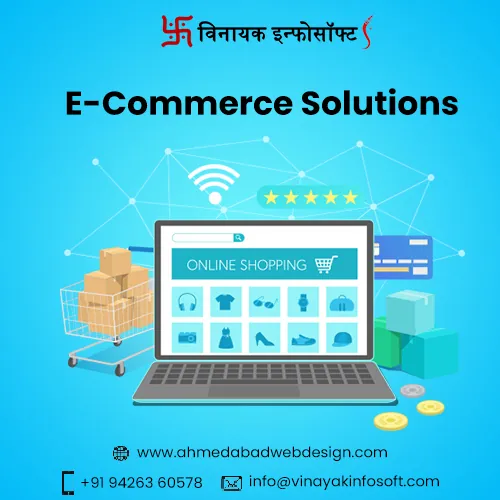
Before an online store is designed, you need to choose the platform it runs on. That decision affects monthly costs, how much control you have, which payment gateways and couriers you can use, and how easily the store can grow. Here is how we explain the options to clients.
The three main options
1. WooCommerce (WordPress)
Free, open-source e-commerce on WordPress. You pay for hosting, development and any premium extensions, but there are no platform fees on each sale. You own the store completely. It needs regular updates and good hosting.
2. Hosted store builders
Subscription platforms that host the store for you. Quick to start and low maintenance, but you pay a monthly fee and sometimes transaction fees, and you are limited to what the platform and its apps allow.
3. Custom e-commerce
A store coded for your exact workflows. Suitable for complex B2B pricing, large catalogues with unusual data, or deep integration with ERP and inventory systems. Highest initial cost, maximum flexibility.
Comparison at a glance
| WooCommerce | Hosted builder | Custom | |
|---|---|---|---|
| Ownership | Full | Platform account | Full |
| Ongoing fees | Hosting, extensions | Monthly plan, apps, possible transaction fees | Hosting, maintenance |
| Flexibility | High | Medium | Highest |
| Maintenance | Updates needed | Handled by platform | Developer-managed |
| Best for | Most SMEs and D2C brands | Simple stores, quick launch | Complex B2B or high-volume |
Requirements specific to India
- Payment gateways supporting UPI, cards, net banking and wallets
- Cash on delivery rules by pincode and order value
- GST-compliant invoices with HSN codes
- Courier integrations and pincode serviceability checks
- WhatsApp order updates and support
- Fast mobile pages for shoppers on mobile data
B2B e-commerce for manufacturers and wholesalers
Many manufacturers and wholesalers need dealer logins, customer-specific prices, minimum order quantities and quote requests rather than a public cart. WooCommerce with B2B extensions can handle simpler cases; complex pricing usually calls for custom development.
Making the decision
List your catalogue size, expected orders, payment and shipping needs, integrations and who will run the store day to day. Then compare total cost over three years, not just the launch price. Our team can help you evaluate the options; see e-commerce website development.